
ECOLOGICAL CONTAINER GARDENING
by Sylvia Avontuur, permaculture designer and educator


This blog post is based on the workshop given by Sylvia Avontuur during the Reclaim the Seeds festival in Amsterdam, where enthusiasts of sustainable gardening, seed preservation, and food sovereignty come together to exchange knowledge and seeds.
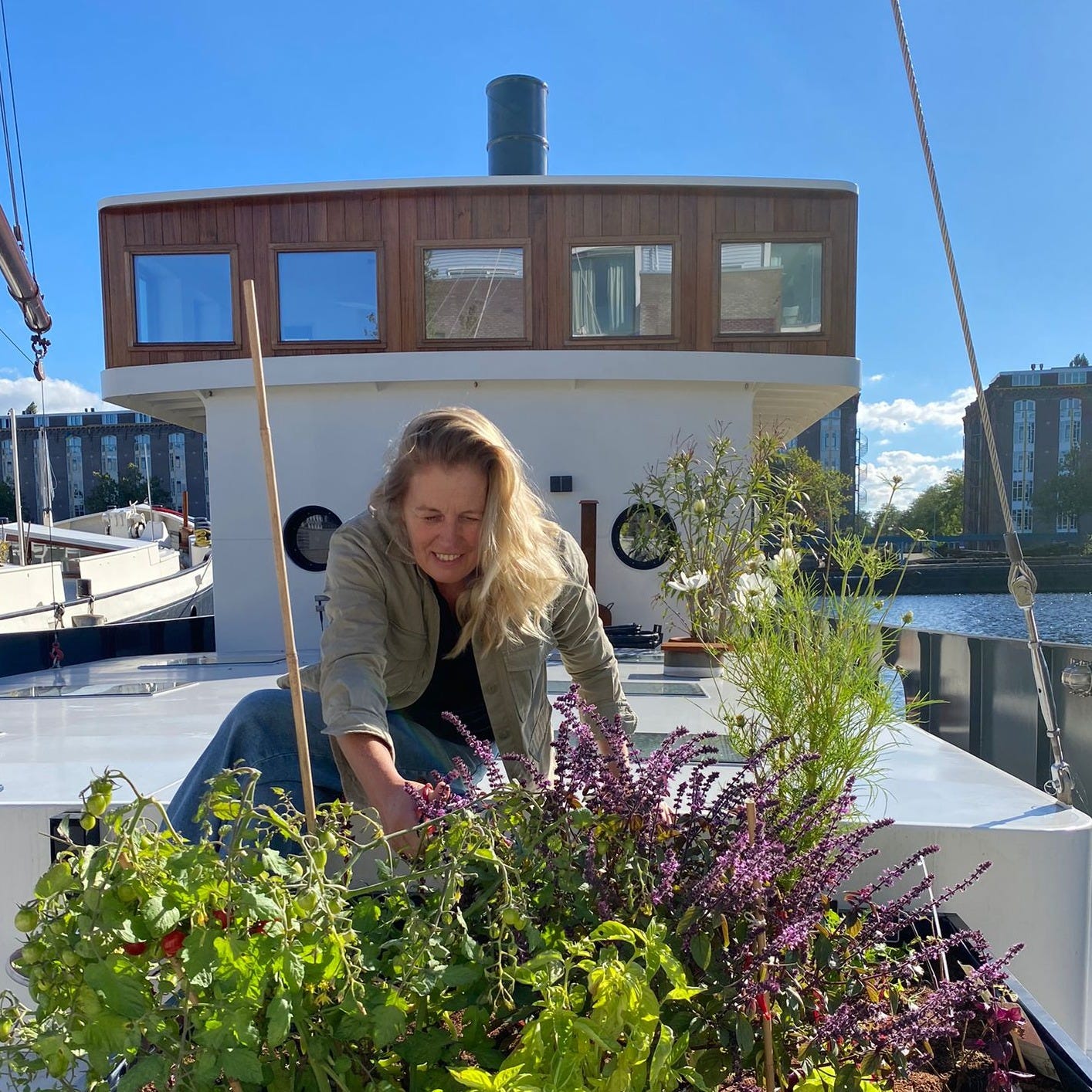
CREATING EDIBLE CITIES: GROWING FOOD WITHOUT A GARDEN
Have you ever looked longingly at beautiful vegetable gardens and thought: "I want that too, but I don't have a garden"? You're not alone! While growing in open soil is ideal, not having a garden shouldn't hold you back. Whether you have a sunny balcony, a small paved courtyard, a windowsill with morning sun, or even live on a houseboat – there's space for edible greenery everywhere.
My own journey with container gardening began out of necessity when I lived in Amsterdam's Jordaan district, but it grew into a passion. There's something magical about watching a seed you've planted sprout, about picking fresh herbs for your evening meal, right from your windowsill. And it's much more accessible than you might think.
Container gardening offers unique advantages. You can place your plants exactly where they thrive best – tomatoes in full sun, your mint plant in a cooler spot. You can literally move your garden with you or bring it indoors when frost threatens, as I do with my favorite lemon verbena for verveine tea. And for those who can't bend easily, raised containers bring gardening within reach.
CHOOSING YOUR FIRST CONTAINERS: PERSONAL AND PRACTICAL
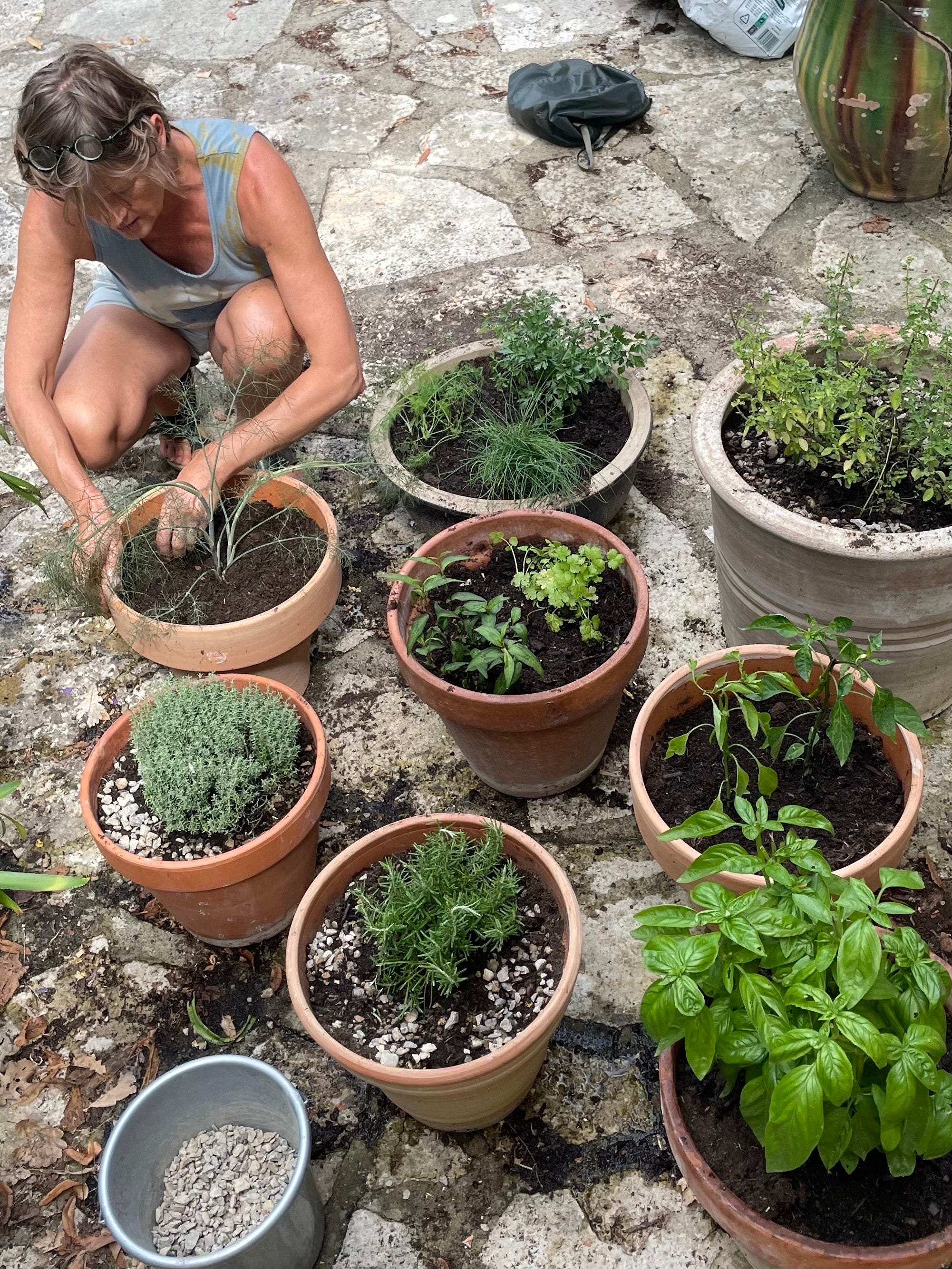
When starting your container garden, it's all about character and practical considerations. Terracotta pots don't just give your balcony a Mediterranean atmosphere; they're also a good option for herbs that prefer dry conditions, like thyme, rosemary, and oregano. The clay breathes, causing the soil to dry out faster – exactly what these herbs need.
For more moisture-loving plants like basil, mint, or many vegetables, plastic pots work better. They retain moisture longer and are lightweight, convenient if you want to move your container garden regularly. From an ecological perspective, reusing existing plastic pots or containers is a great option.
Wooden boxes give your balcony or terrace a natural, warm look. And did you know you can even grow potatoes in ordinary bags? You can unroll the bags and hill up the plants as they grow – a beautiful sight and a rich harvest.
Start with containers at least 10 cm deep for herbs and leafy greens, but give root vegetables, berry bushes, and fruit trees more room to root. Remember that a large pot with soil and a mature plant can be heavy – account for about 25 kg for a large tomato plant in a pot! And very importantly: always ensure good drainage. Make holes in the bottom of your pot or container. Nothing is more fatal for container plants than wet feet from stagnant water.
THE SOIL WHERE EVERYTHING BEGINS: ECOLOGICAL AND ALIVE
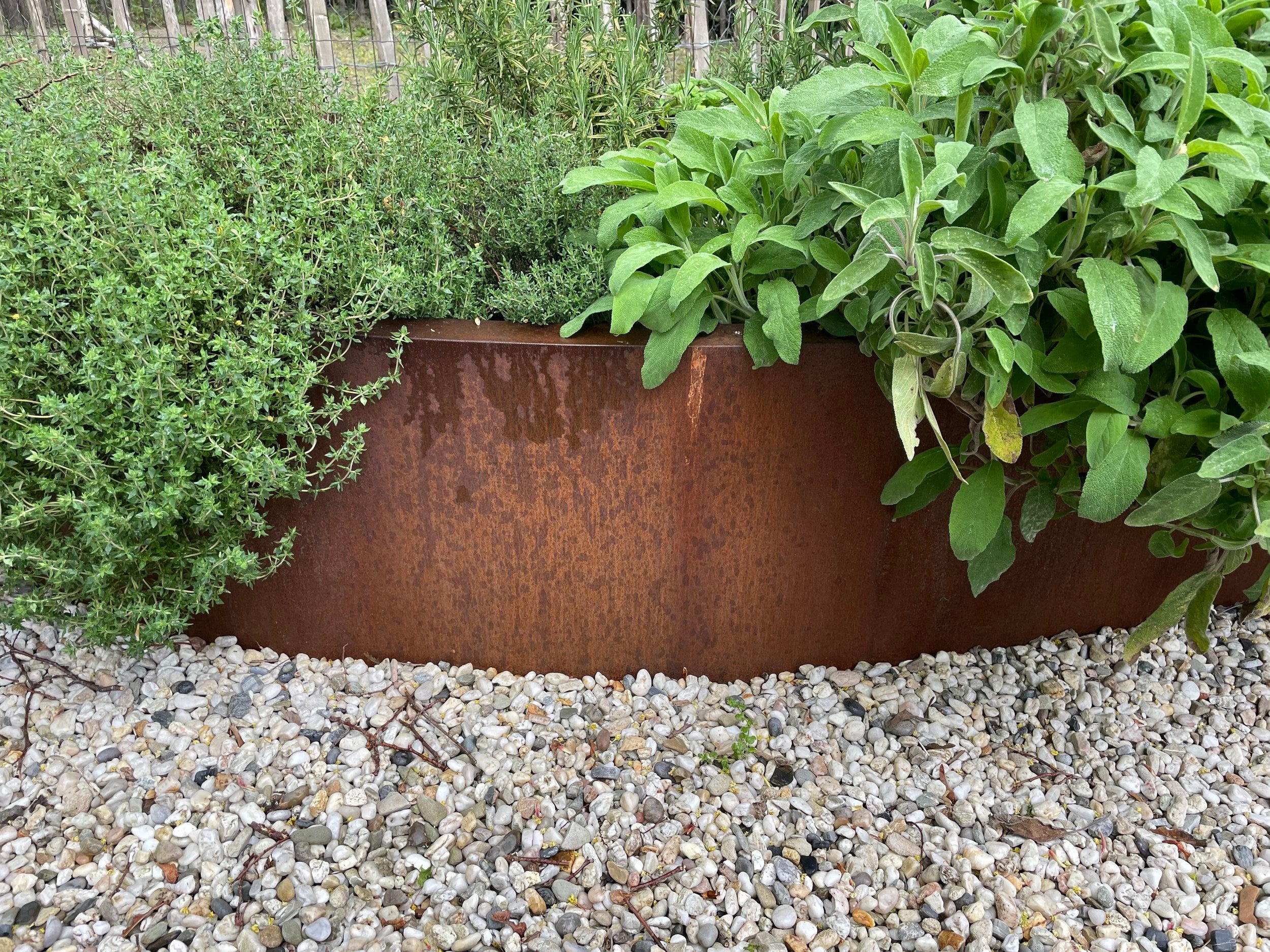
The secret power of a successful container garden lies in the soil. Cheap potting soil often contains peat (not sustainable) and artificial fertilizers – not ideal if you want to garden ecologically. Peat comes from peatlands that take thousands of years to form and are essential for CO2 storage and biodiversity – therefore choose peat-free alternatives. Fortunately, organic potting soil is also available. Or mix it with coconut fiber, which is light and retains water better. It does come from far away, but is transported in a highly compressed form, which limits the environmental impact. Potting soil can also be reused perfectly. At the end of the season, I remove the thick roots, mix in some fresh compost, and it's ready for another round. Want to learn how to make your own potting soil? Check out our handy instructional video: Make your own potting soil.
THE SECRET OF THE RIGHT PLANTS IN THE RIGHT SPOT
One of the most valuable lessons I learned: choose plants that suit your specific conditions, not the other way around. Do you have a sun-drenched south-facing balcony? Then tomatoes, peppers, zucchini, pumpkins, eggplants, bell peppers, and figs will do fantastically there. That sheltered spot against a white wall? A perfect microclimate for heat-loving plants!
But what if your balcony is often in the shade or catches a lot of wind? Choose edible shade-lovers like wild strawberries, hosta, gooseberries, raspberries, wild garlic, purslane, or various leafy greens. They thrive with less sun and still give you a delicious harvest.
The season also determines what you can plant. In early spring, even from March, you can already start with radishes, Swiss chard, arugula, broad beans, and chives. Heat-loving crops like tomatoes, peppers, and eggplants need to wait until after the last frost (mid-May). And for fall and winter, you sow lamb's lettuce, winter purslane, and kale. Cavolo nero is also frost-resistant – keeping your container garden productive year-round.
Have limited horizontal space? Think vertical! Let plants climb along bamboo poles or willow branches in a teepee shape. Peas, beans, climbing tomatoes, nasturtium, and even pumpkins can grow upward, allowing you to grow more in the same square footage. For climbers, you'll need deeper pots – they root deeper as they grow taller.


FROM SEED TO HARVEST
There's something deeply satisfying about watching your own seeds germinate. For an early start, you can pre-sow indoors in small pots. Once the seedlings are sturdy enough and the weather permits, you transplant them to their final place outdoors.
Direct sowing in containers is certainly possible too – it's even ideal for root-forming vegetables that don't like to be disturbed. Make the soil slightly moist, don't sow too close together, and cover the seeds with a layer of potting soil approximately two to three times as thick as the seed itself. If you start with purchased plants, plant them as soon as possible after purchase and don't put them in full sun right away. Let them acclimate.
ATTENTION
The biggest difference between open soil and container gardening is the attention your plants need. The soil in containers dries out faster. Watering is an art in itself. Preferably use rainwater or captured water in which you've washed vegetables. Feel the soil with your finger to check if water is needed – the surface can look dry while it's still moist underneath. A plant mister works perfectly for young seedlings.
And start mulching – covering the soil with a protective layer. This can be compost, finely chopped straw, or even leaves. Mulch retains moisture, suppresses weeds, and slowly adds nutrients.
For extra nutrition, you can choose from numerous ecological options. A diluted mix of nettles that has stood in water for a week is a powerful, free plant boost. Banana peels and compost from your worm bin are also perfect natural nutrient sources.
Going on vacation? Ask a plant-friend to water, temporarily place pots with neighbors, or prepare: don't sow anything new in the month before your departure and harvest everything that's ripe.
THE SALAD BAR – A HEALTHY POLYCULTURE
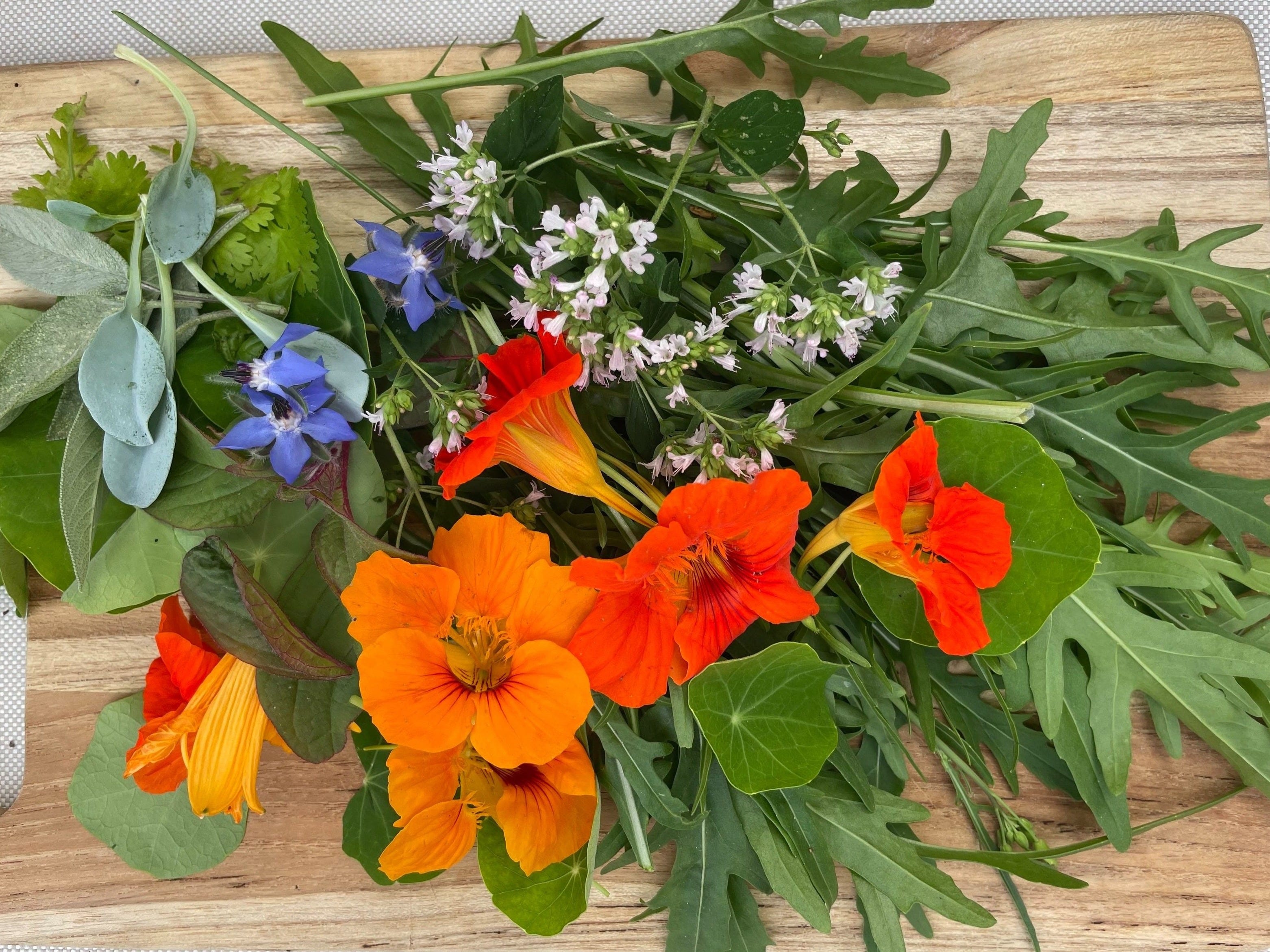
Want to start tomorrow and see quick results? Start with your own "salad bar" – a mix of leafy greens and herbs in one container that provides you with fresh harvests throughout the year.
Begin in spring by sowing radishes, different lettuce varieties, mizuna, tatsoi, and arugula. The beauty of these plants is that you can keep picking them – just cut off the outer leaves and they'll happily continue growing. Getting too crowded? Thin out and eat the seedlings as delicious microgreens.
Around the end of May, as summer approaches, fill empty spots with edible flowers like marigold and nasturtium. Add basil and coriander for extra flavor, and put a bush tomato in between for sweet, homegrown cherry tomatoes directly in your salad.
Plan ahead: in summer, plant some Cavolo nero for the winter months. In autumn, sow winter purslane, lamb's lettuce, and spinach in empty spots – they tolerate cold well. Place pots closer together for shelter and give them an extra layer of mulch against the cold.
With this approach, you literally have fresh leaves to pick in all seasons. From your own balcony, at your own pace, completely organic. And the taste of homegrown vegetables surpasses anything you can buy in stores.
This blog post is based on the "Ecological Container Gardening" workshop given by Sylvia during the Reclaim the Seeds festival in Amsterdam. Did you miss the workshop? No worries! With this guide, you can still get started with your own ecological container garden. And hopefully, we'll see you at next year's festival, where we continue working together on seed preservation, food sovereignty, and practical knowledge about sustainable food production – even in the smallest spaces.