CITYPLOT NEWSLETTER
Autumn equinox 2025

Welcome new subscribers and welcome back old friends, it’s been a while!
The great Wheel of the Year has turned to Mabon, more widely know as the autumn equinox. On Monday 22 September, day and night are roughly equal around the earth. In the northern hemisphere this is the astronomical start of autumn, and traditionally the time for rituals centred on giving thanks, balance & harmony, celebrating the sun, rejoicing in and sharing our harvests, and performing rituals to honour and remember our ancestors.
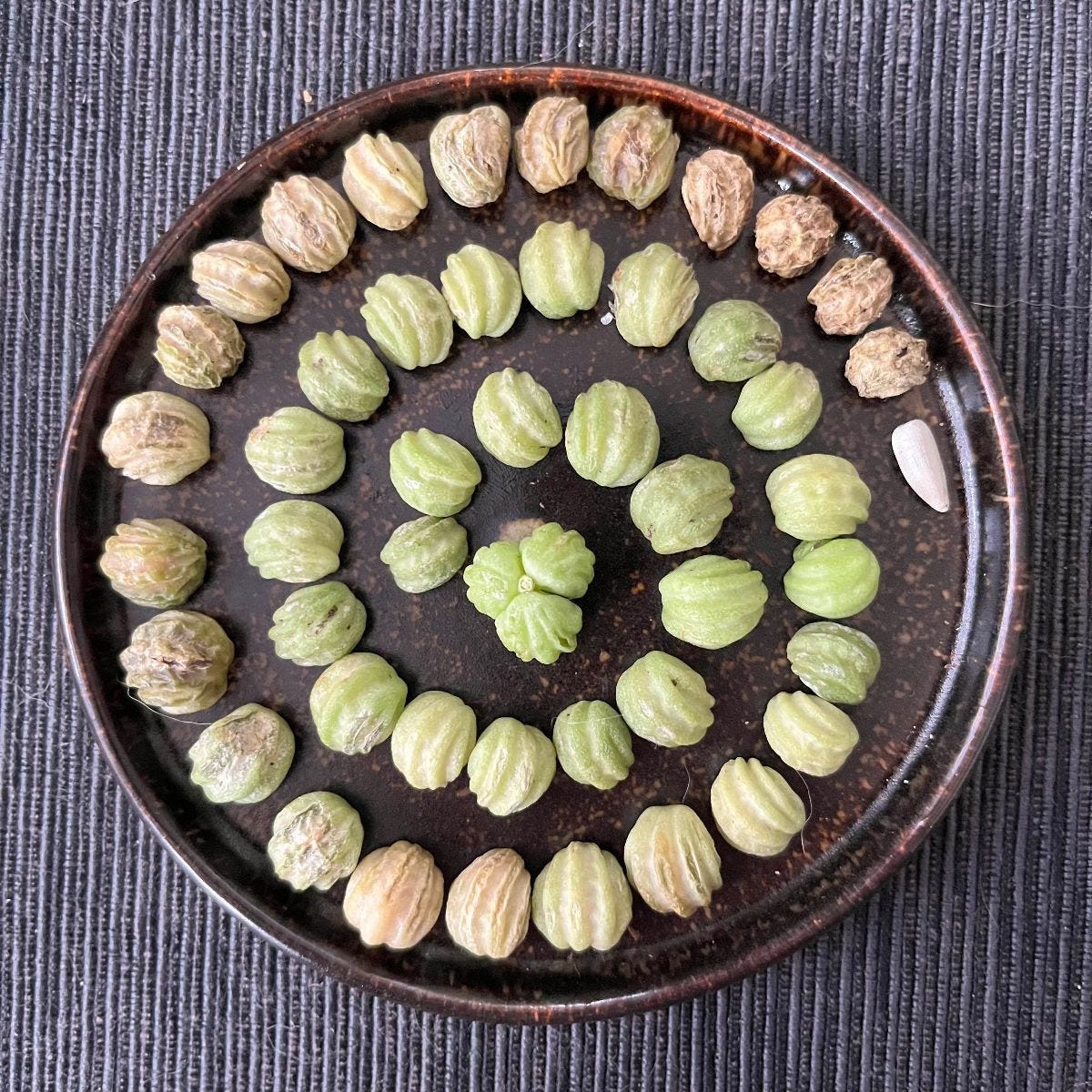
We are preparing for winter by preserving foods and saving seeds, like the nasturtium seeds in the picture above. For tips & info on saving seeds and seed sovereignty check out our fantastic blog. Also here on substack:
Now is also the time to sow crops for harvesting in winter and in early spring. Some autumn & winter gardening tips can be found below.
In this autumn edition of our newsletter we are happy and proud to share our latest news with you. Mabon blessings to all!
PS. Check out the yummy pumpkin chutney recipe by chef Zoë at the bottom of the newsletter!
BERLIN


Thank you 2025!
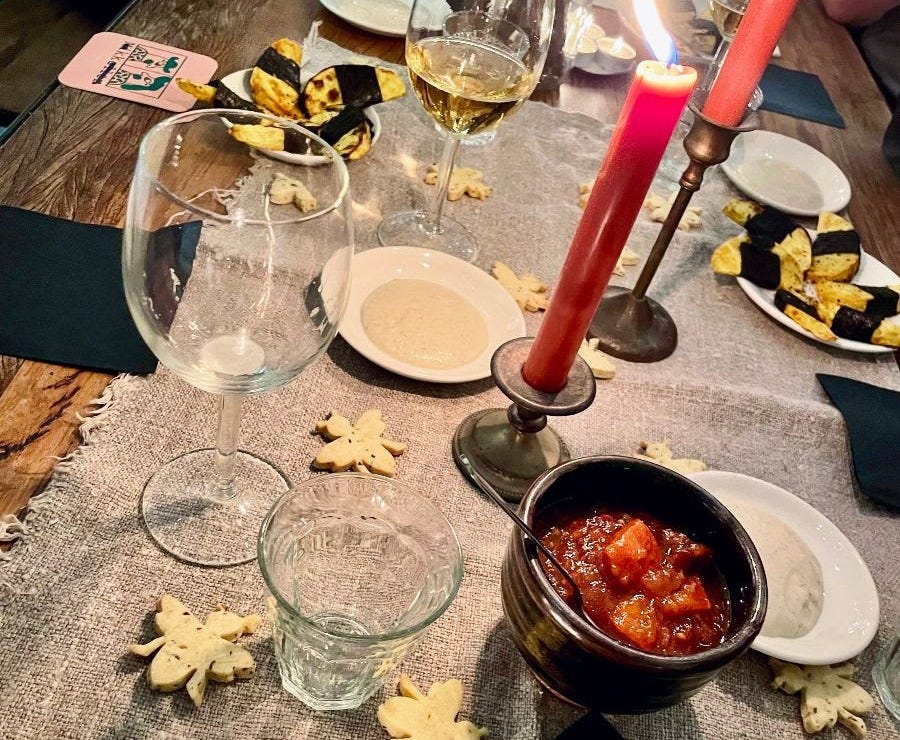
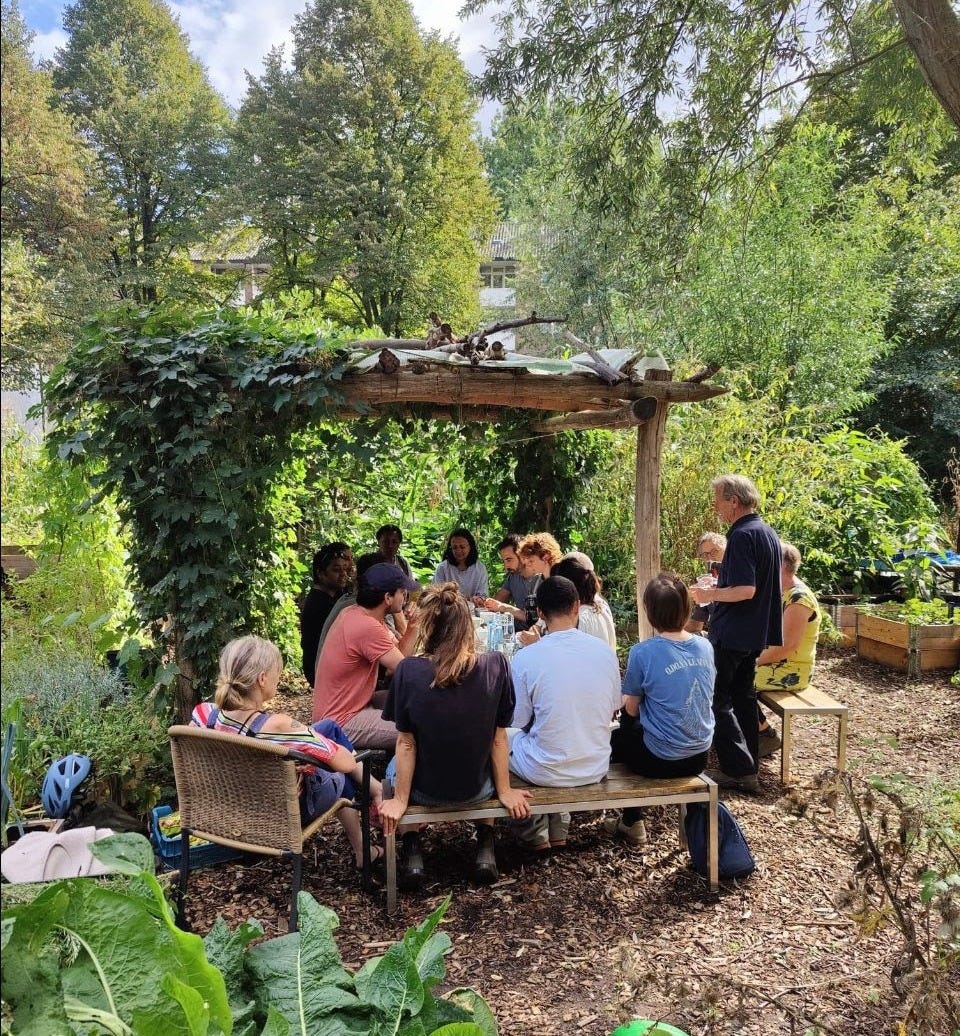
Last week marked the end of the workshop season at Cityplot Berlin. Throughout our 2025 workshops, we learned how to grow our own food responsibly and ways in which to prepare it to support our health – all while continuing to strengthen our connections with each other. We ended with a final workshop on how to ferment our garden vegetables and enjoyed a beautiful celebratory meal together.
As we approach the autumn and winter months, we will use this time to plan our workshops and other offerings for 2026. Stay tuned for what’s to come! https://www.cityplot.org/workshops-berlin
In the meantime, there is still a chance to join our permaculture workdays in October for those interested in permaculture, homesteading and connecting with a great community. Come join us on a permaculture farm in Brandenburg! For more information: https://www.cityplot.org/berlin-workdays
Visit: https://www.cityplot.org/berlin Follow us: @CityplotBerlin
SWEDEN, Gilmåkra


Harvest party!
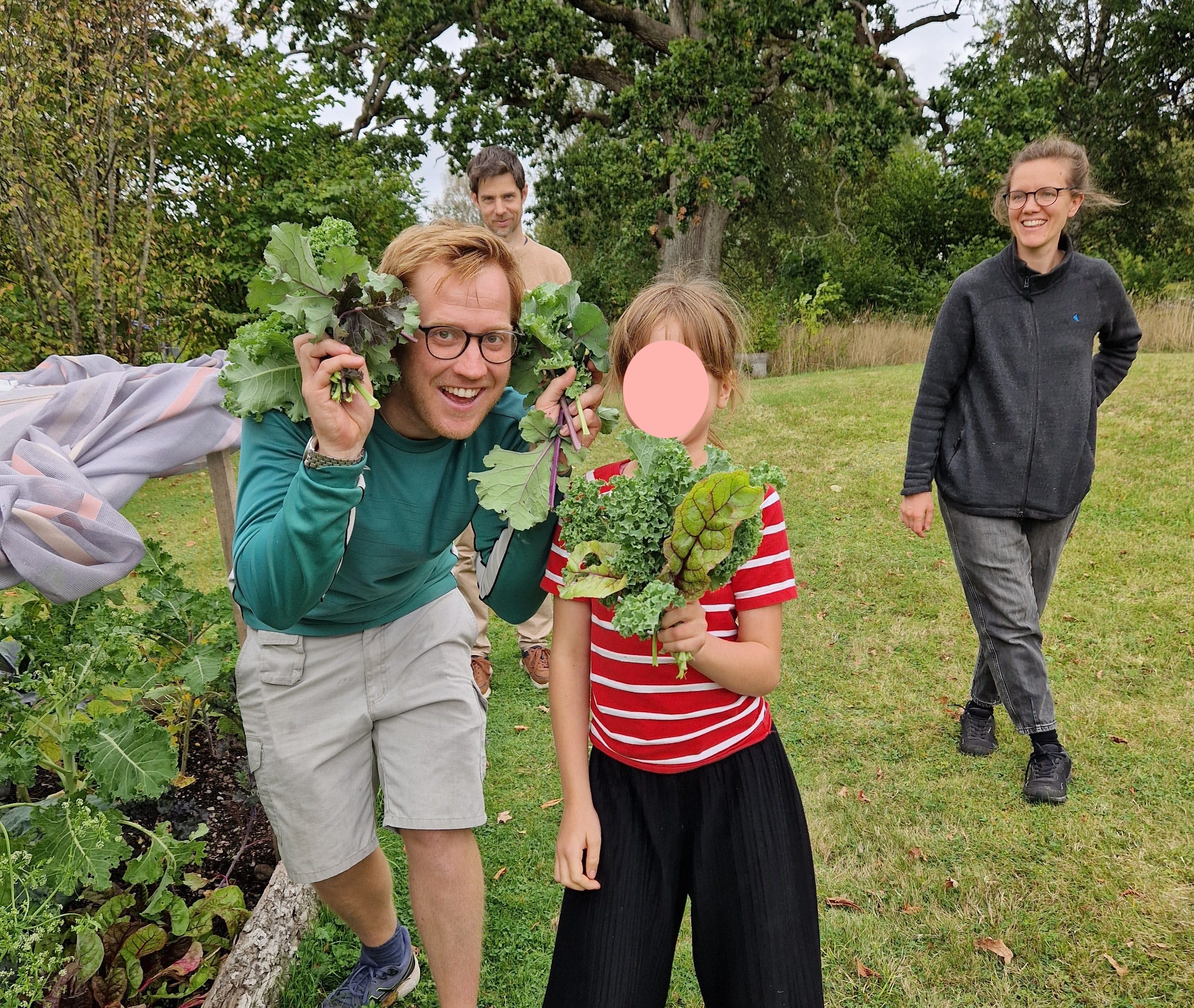
Here at the Eden community garden in Glimåkra Sweden we had a wonderful celebration of our harvest of pumpkins, squash, kale and potatoes.
A group of 15 including family and new friends ranging in age from 4 months to 77 years met up for a meal of baked potatoes, pumpkin with borlotti bean soup and kale salad. Jättegott!
Visit: https://www.cityplot.org/sweden Follow us: @CityplotSweden
AMSTERDAM


Ready to dig deeper in 2026?
Get Down, Get Dirty extension with full urban permaculture design course option
Our Get Down, Get Dirty (GDGD) workshop series is expanding in 2026! We will be offering a complete Urban Permaculture Design Course (PDC) that builds on our iconic GDGD foundation to give you the full toolkit for creating sustainable urban ecosystems.
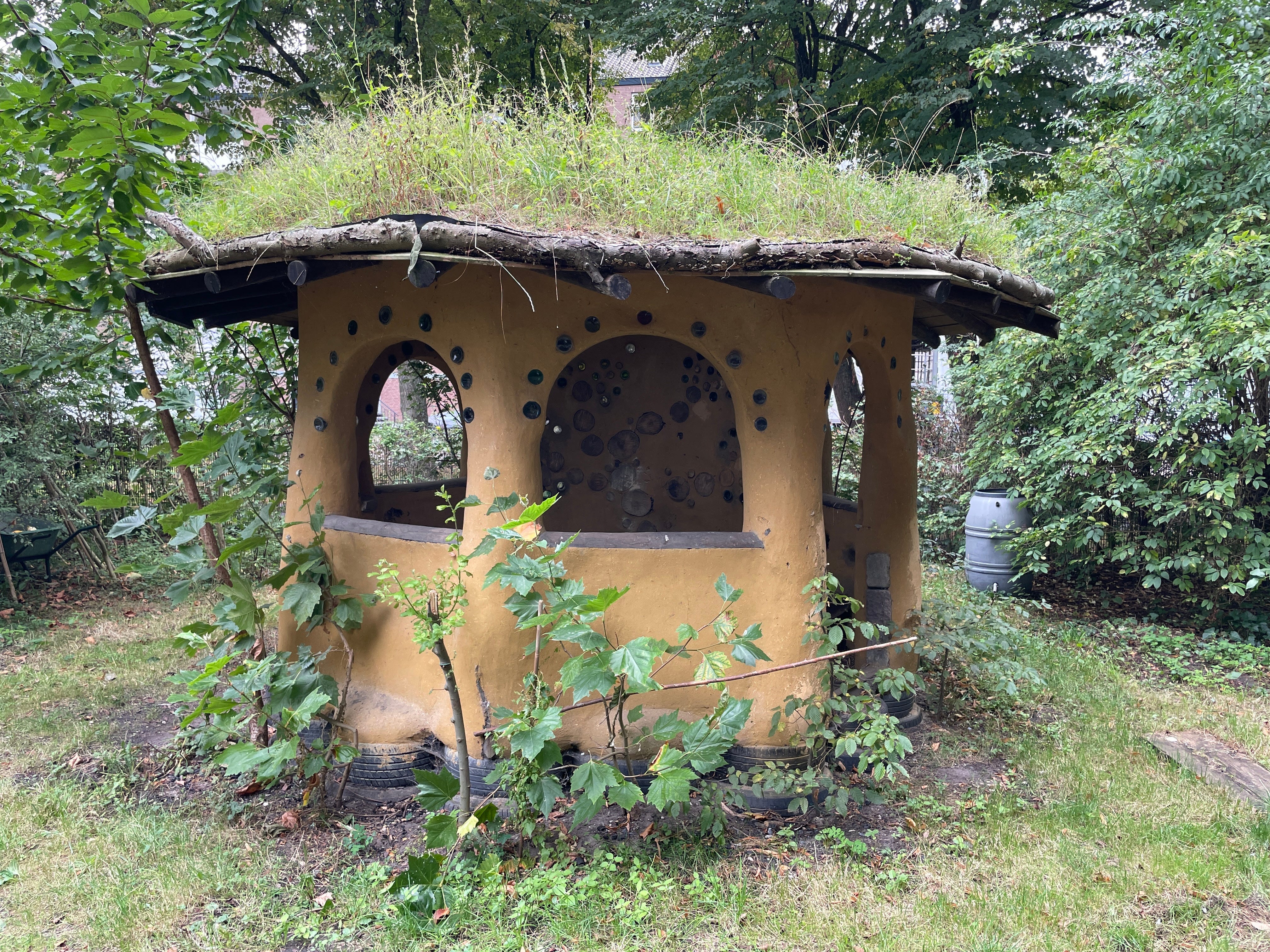
Urban permaculture matters now more than ever, as cities are where the future of sustainability will be won or lost. Walk through any Amsterdam neighbourhood and you'll see the potential everywhere: schoolyards pining for green playgrounds, vacant lots dreaming of food forests, street tiles waiting to be removed to make place for community gardens. ..
Our urban PDC offers a powerful framework for transforming these spaces into thriving ecosystems that produce food, build community across generations, create resilience in the face of climate change and support biodiversity.
Your journey includes 5 flexible modules, totalling 72 hours, covering all components for permaculture certification.
Classes take place from March through November 2026 (no workshops in July & August)
Module 1: Our iconic Get Down, Get Dirty course (36 hours) - The foundation of urban food growing
Module 2: Social Permaculture (12 hours) - Building resilient communities
Module 3: Food Forest Systems (6 hours) - Creating productive urban ecosystems
Module 4: Built Environment (6 hours) - Integrating sustainability into urban spaces
Module 5: Design & Project Development (12 hours) - Bringing your vision to life with individual guidance
Investment: GDGD standalone €500 | Complete PDC €980 (Early Bird rates if you subscribe before 31 December 2025).
The GDGD will take place on the following Sundays from 10:00-16:00h:
March 8 • March 29 • April 19 • May 31 • September 6 • October 4
Find more info on our GDGD website page.
Other PDC dates are coming soon.
Do you want to know more about the full Urban PDC? Mail us at workshopsams@cityplot.org. We will send you the complete program information as soon as it's available.

Meaningful company year-end gifts that create impact
Looking for year-end gifts that truly show appreciation? This season, give your team something meaningful: hands-on workshops that combine storytelling, sustainability, and shared experiences. From fermentation adventures indoors to planting trees together in nearby food forests, our custom workshops create lasting memories while supporting your company's impact goals. Because the best gifts aren't just unwrapped—they're experienced together.
Our tailored approach ensures each workshop aligns with your company values while creating genuine appreciation and lasting impact.
Contact: workshops@cityplot.org for custom quotes and consultation.


Our balcony this year
Me and the wonderful Paul moved to Amsterdam from Berlin almost exactly a year ago. It’s been a big, exciting, challenging, whirlwind of a year. Of all the things that could be said about this year, I’m happy to share a little peak at the unexpected abundance our balcony garden yielded!
It was around November 2024 that we started sketching and dreaming about our balcony garden. Where the beds and pots would be, what we were most excited to plant and how we would source it without really having much of a budget. We had the winter months to prepare, and so began a slow and chaotic process of sourcing second-hand materials. We found second-hand structures for raised beds from Marktplaats, dragged pallets and huge amounts of cardboard through our neighbourhood, dug holes in the forest in Drenthe for soil (no forests were harmed in the making!), fermented a lot of organic waste in Bokashi buckets, added a colony of worms to our family, and finally, managed to build four garden beds filled with varying degrees of fertile soil (that we did our best to amend!).
Fast forward a year and neither of us can really believe how much we’ve received from this balcony - food, joy, experience, adventure, laughs, struggles, bee and butterfly sightings, and lots of heavy items up many stairs. There’s so much we want to change and add for next year! We hope to build some kind of rainwater catchment and grow a perennial climber to bring some much needed shade. And for now, we’re feeling blessed.
SEASONAL GARDENING TIPS


Autumn & winter gardening tips
Do you have a plot full with grass or weeds? Now is the time to do sheet mulching / lasagne technique! Check out the pics above: kids helping to sheet mulch at 'Pro rege Noorderhof' school in Amsterdam (autumn 2024) and the result this summer.
Sow radishes and lettuce in the greenhouse for extended autumn salads.
Harvest your pumpkins when stems are brown and dry like a cork to get fully developed flavour and for longer storage.
Combine green manure cover crops, for example Japanese oats & vetch, winter wheat & lupine.
For green leaves in autumn and winter, sow spinach, lambs lettuce and winterpostelein now!
Sow peas and fava beans now in your garden for an early harvest in 2026! (This works best in a mild winter, but increasingly worth the gamble...)
Put your beds to bed! A simple mulch on your beds with fallen leaves feeds the soil life and keeps in some warmth.
RECIPE
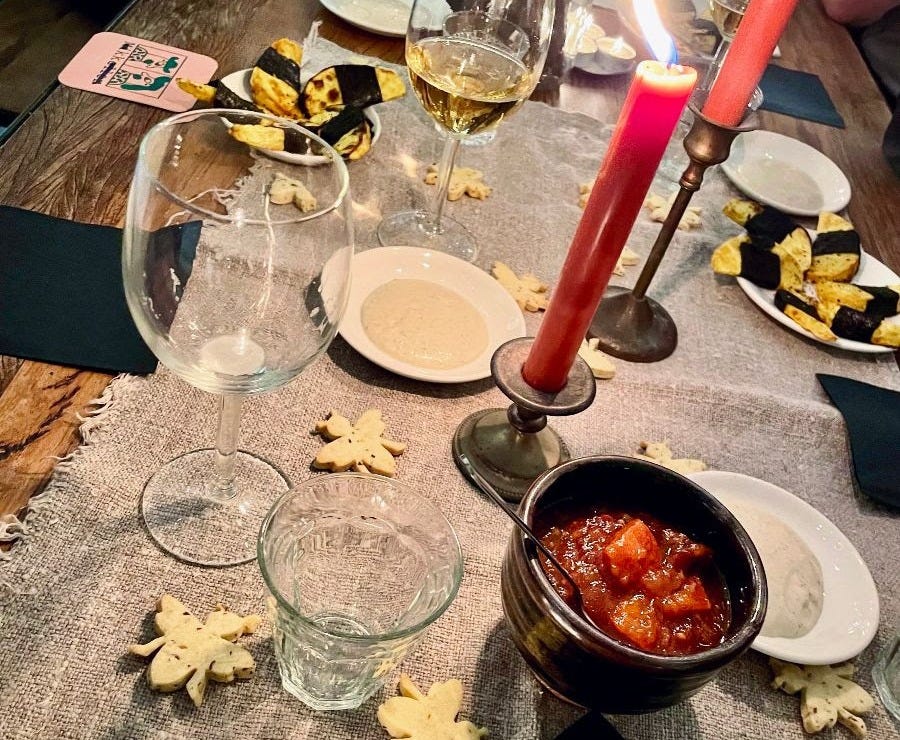
Autumn pumpkin chutney by Zoë
Ingredients:
- 1 small pumpkin, peeled and diced
- 2 apples, peeled and diced
- 1 red bell pepper, diced
- 150g cane sugar
- 80ml apple cider vinegar
- 2 onions, peeled and minced
- 2-3 garlic cloves, peeled (and chopped, if you prefer)
- 1 piece of fresh ginger, minced
- 1 cinnamon stick
- 1 tsp mustard seeds
- 100g raisins or cranberries
- more spices to your liking, eg. cardamom, star anise, etc.Mix the sugar and vinegar into a large saucepan; add the minced onion, garlic, cinnamon, and spices.
Dissolve the sugar over low heat, increase the heat and bring it to a rapid boil; after 5 minutes, add the rest of the ingredients, bring back to a simmer, and cook for about 30 minutes, or until the chutney is thick, the apples have disintegrated and the pumpkin is soft enough but has not completely lost its shape.
Give it a stir from time to time. If it sticks to the pan, reduce the heat a little and/or add a splash of water.
Taste and adjust the seasoning if needed.
Transfer the chutney to a (or more) clean, sterile container or jar and let it cool down. Refrigerate it till needed. The chutney is best if matured for a week before use; the flavours can then fully develop.
Very yummy on some bread or crackers, or combined with cheese and dry fruits. Enjoy!
Feel free to share this newsletter with anyone who would love our edible cities. Bye for now, we will see you again for Samhain, a.k.a. Halloween!
PS: Missing us? You can find us on Instagram and at cityplot.org
Eclipse of the moon, 7 September 2025, photo by Eva